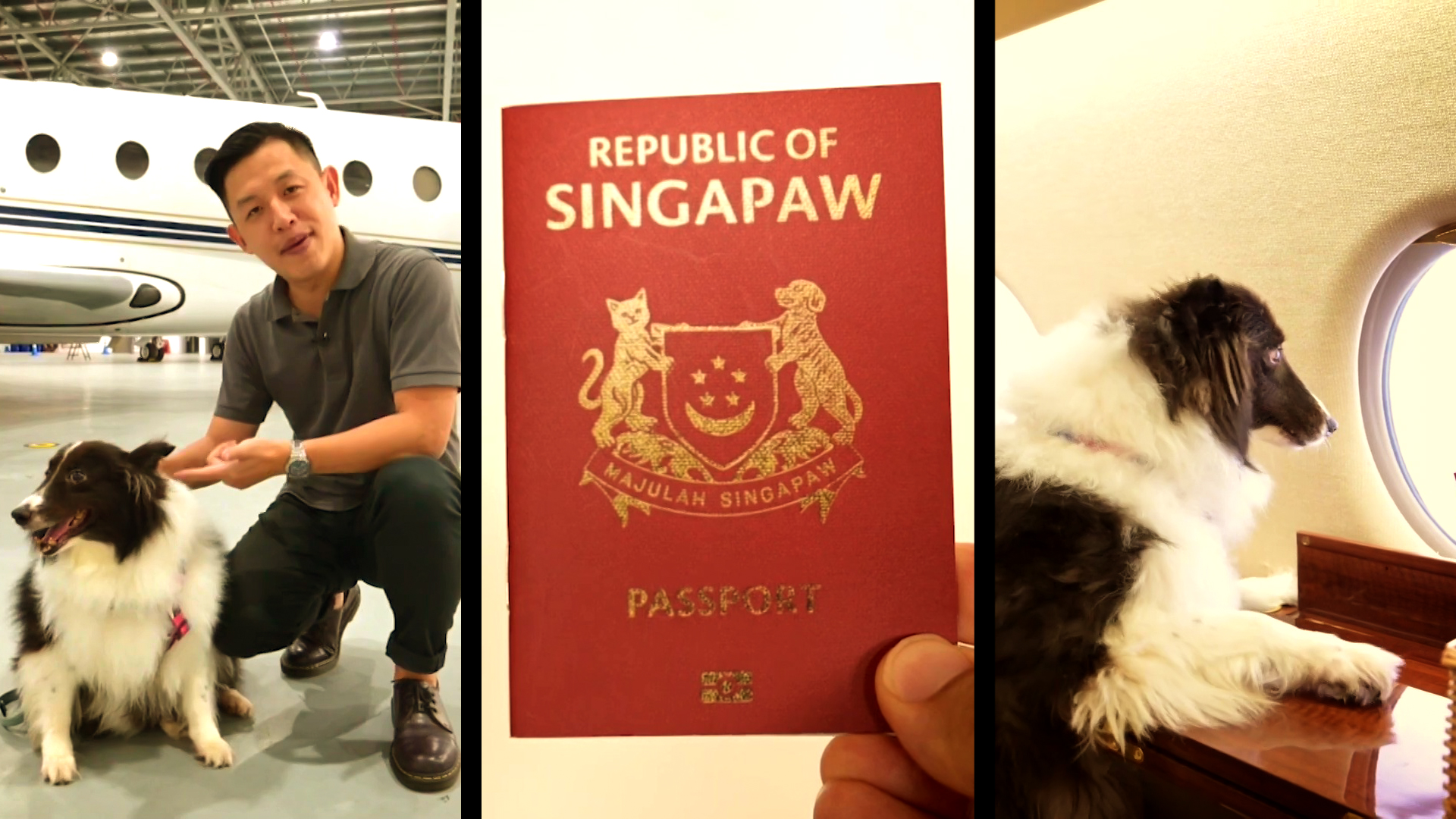
SINGAPORE: SingaPaw Air, described as Singapore’s first airline dedicated fully to animals, allows dogs and cats to roam freely on board while their “pawrent,” or human parent, flies with them. The service has attracted a small but growing group of pet lovers willing to spend tens of thousands of dollars for the experience.
One recent passenger paid just over US$30,000 (S$40,000) for a one-way trip from Singapore to Hong Kong for two people and four cats. The journey took place on a private charter flight rather than a commercial airline. The passenger, Ms Gwenda Phillips, told Channel NewsAsia (CNA) that sending her cats in cargo was never an option.
She viewed the cargo as stressful for animals, who cannot understand what is happening during a long flight. Her view on animal care is part of the growing change among pet lovers who increasingly treat animals as family members rather than just some object, as in this case, another piece of luggage.
SingaPaw Air
SingaPaw Air was launched three years ago by aviation enthusiast Jamie Wong after he ran into travel restrictions while trying to fly with his own pets. At the time, most commercial airlines required larger animals to travel in cargo and enforced strict size limits in cabins. That made travelling with his three dogs and five cats difficult.
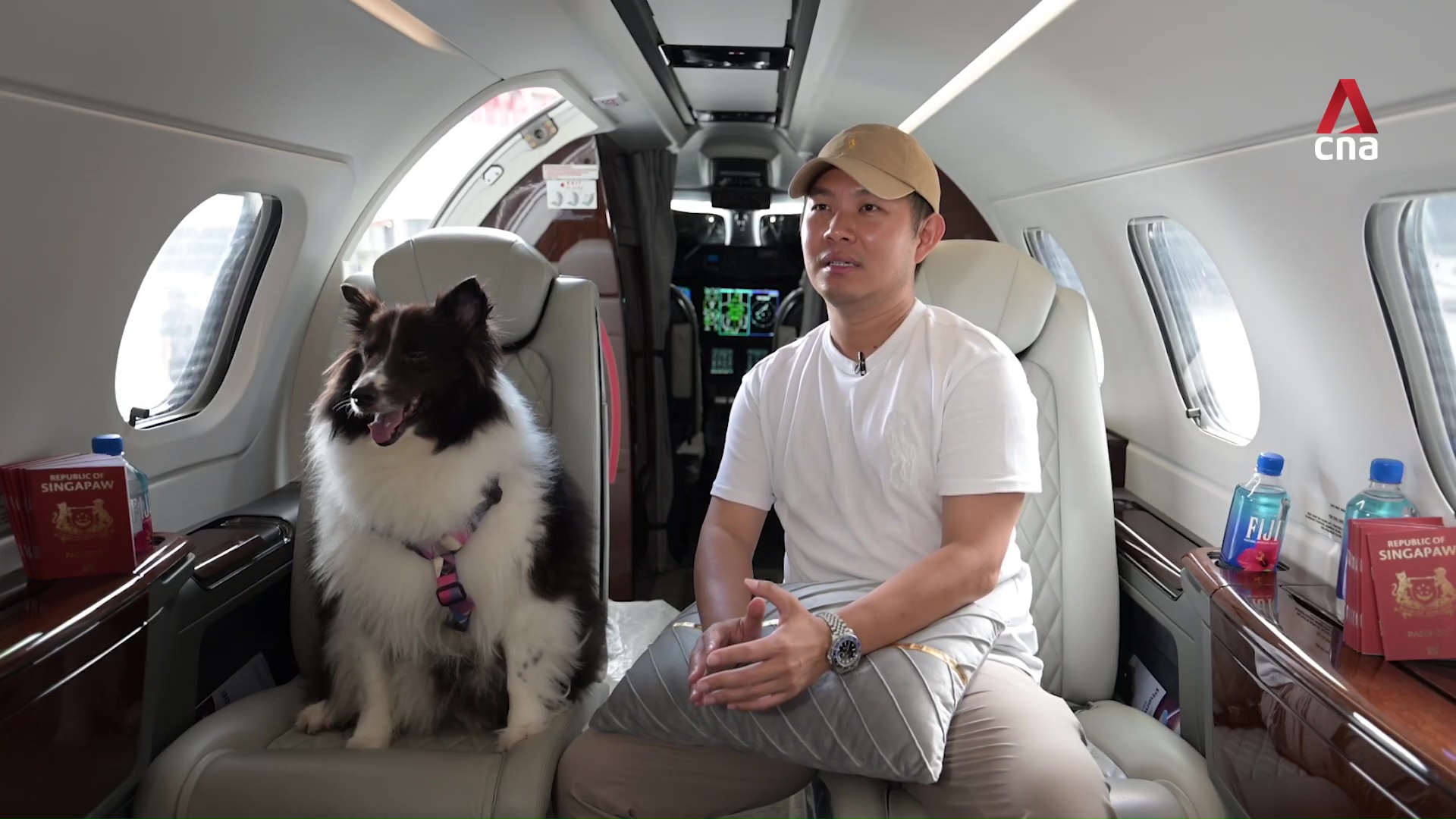
Instead of accepting those flight limitations for animals, Wong has now started a charter service that removes those restrictions. The concept is that pets can now travel in the passenger cabin with their beloved “hoomans”. They sit beside them, roam within the aircraft, and even receive meal options. And even better, there are no more size limits. The largest animal to board so far was a Great Dane.
A niche service that’s gaining public interest
The idea may sound extravagant, but the demand for it has been slowly building. Lesley Ann Chai, charter director of aircraft provider Air 7 Asia, said that pet travel on charter flights has become more common in recent years.
In the past, charter clients rarely brought animals. Today, one or two out of every ten charter flights include pets. Three aircraft in Air 7 Asia’s fleet are now used regularly for these journeys.
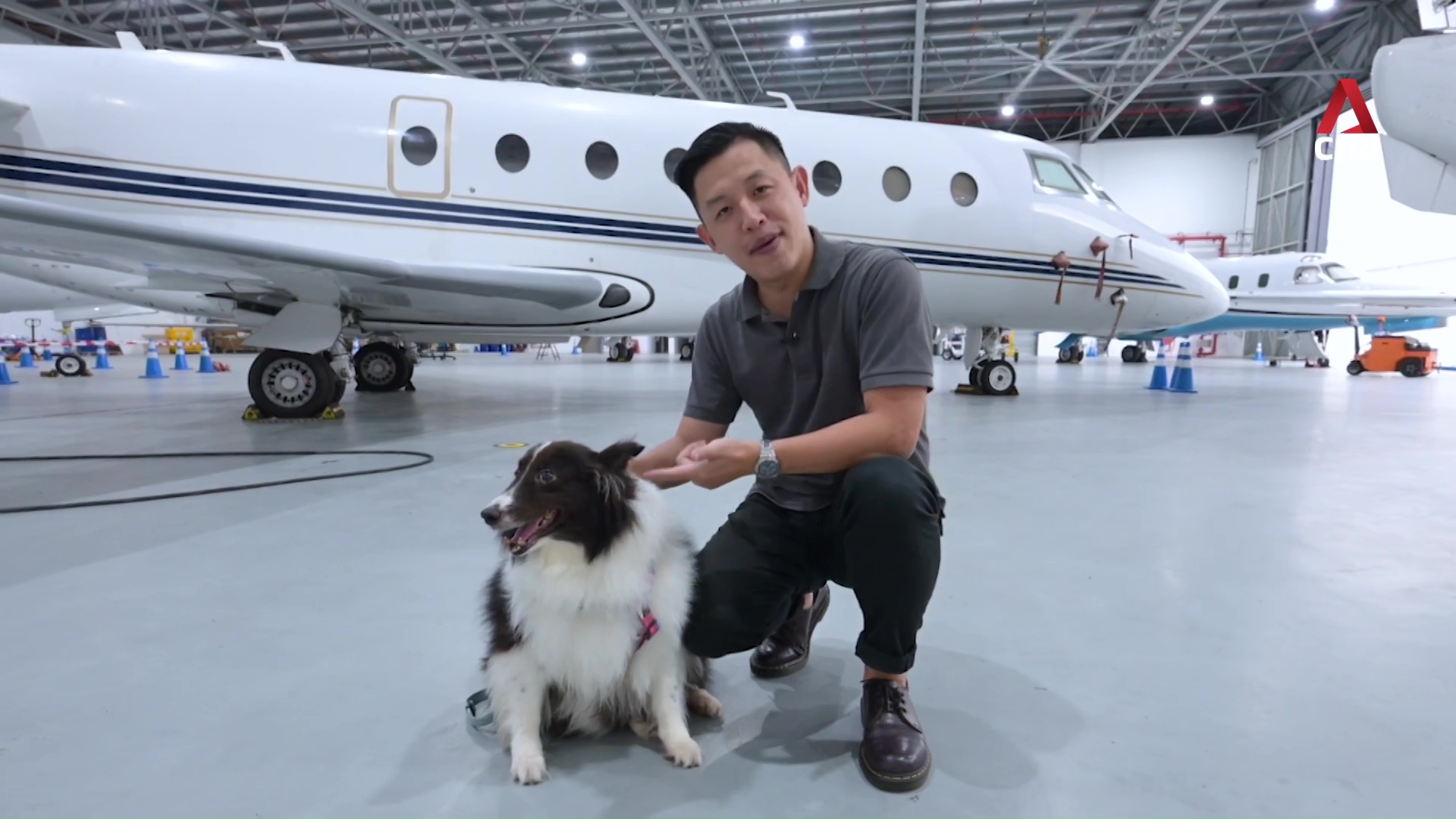
All SingaPaw Air flights depart from Seletar Airport through the Seletar Business Aviation Centre. Pets go through a clearance process similar to that of human passengers. They do not need to arrive earlier than usual, though animals must stay inside carriers while waiting in the lounge.
Most flights are not holidays but relocations. Chai estimated that about 70 to 80 per cent of bookings involve families moving to another country. These trips tend to carry emotional weight, since both pet parents and their furkids are leaving familiar surroundings.
Luxury for some, necessity for others
For many customers, the price tag places the service firmly in luxury territory. A relocation flight from Hong Kong to Singapore cost Ms Alisa Kwok and her boyfriend around US$17,000 (S$21,650). Their 10-year-old Australian shepherd, Payday, travelled with them.
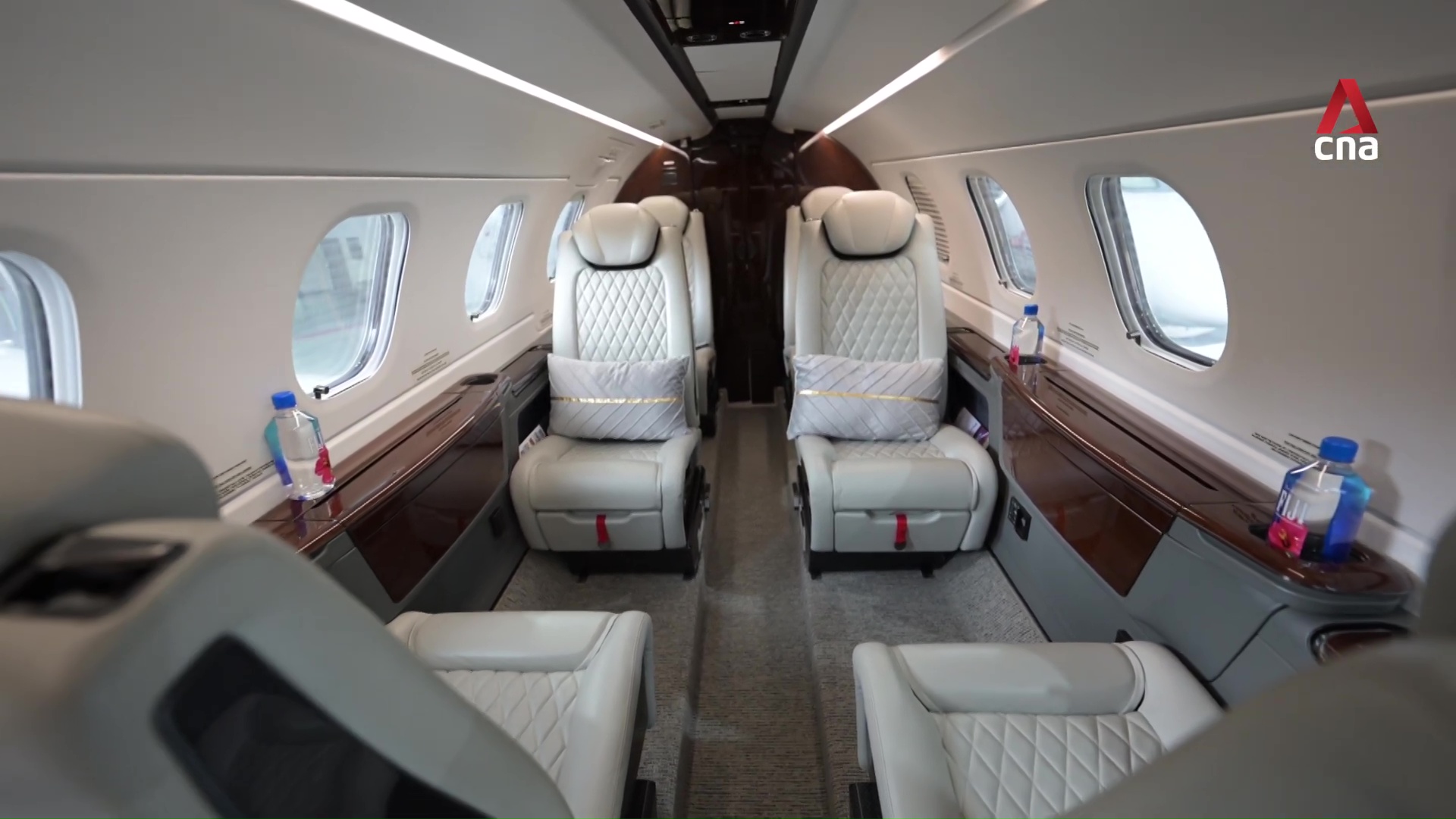
Kwok said the cost was high, but the dog’s age made cargo travel feel risky. Keeping him in the cabin offered reassurance during the move.
Another customer, Ms Esther Ting, spent around US$15,000 (S$20,000) to take a holiday to Hong Kong with her toy poodle, Truffle. She said whether the service counts as a luxury depends on the pet keeper’s priorities and the pet’s temperament.
Some see the cost as excessive. Others view it as the only acceptable way to travel with an animal, especially when considering the pet’s safety and comfort during the journey.
Complex paperwork behind the scenes
Running a pet airline, however, involves more than just booking an aircraft. SingaPaw Air manages paperwork such as vaccination records and import or export permits. The company also works with Singapore’s National Parks Board Animal and Veterinary Service (AVS) to inspect animals on arrival at Seletar Airport.
Different countries impose different requirements. Destinations considered rabies-free or low risk, including Hong Kong, Japan and the United States, allow pets to travel without quarantine.
Countries classified as rabies-affected, such as Thailand, Indonesia and Cambodia, require at least 30 days of quarantine upon arrival. That restriction often turns such journeys into one-way relocations rather than round trips.
Preparation times can also vary widely. Travelling to Japan with a pet requires about eight months of advance planning due to strict government rules.
Preparing pets for the skies
The airline has also introduced short “pet discovery flights” designed to prepare animals for longer journeys. These one-hour flights help pets adjust to aircraft noise and altitude changes before undertaking a full trip.
Discovery flights start from about S$1,700 for one passenger and one pet. Pet parents can also share charter flights with others heading to the same destination to reduce costs.
Looking ahead, Wong is exploring scheduled quarterly flights between Singapore and Hong Kong, possibly launching in late 2026 or early 2027.
For now, SingaPaw Air remains a niche service. Yet it reveals something about changing social norms. For a growing number of pet lovers, animals are no longer treated as cargo. They travel as companions, sometimes even at first-class prices, with their one and only “hooman pawrents”.
This article (SingaPaw Air: Singapore’s first airline offering luxury flights for pets) first appeared on The Independent Singapore News.