SINGAPORE: As artificial intelligence reshapes industries worldwide, Singapore is taking a deliberate approach—one that aims to spread the benefits widely, not concentrate them among a select few.
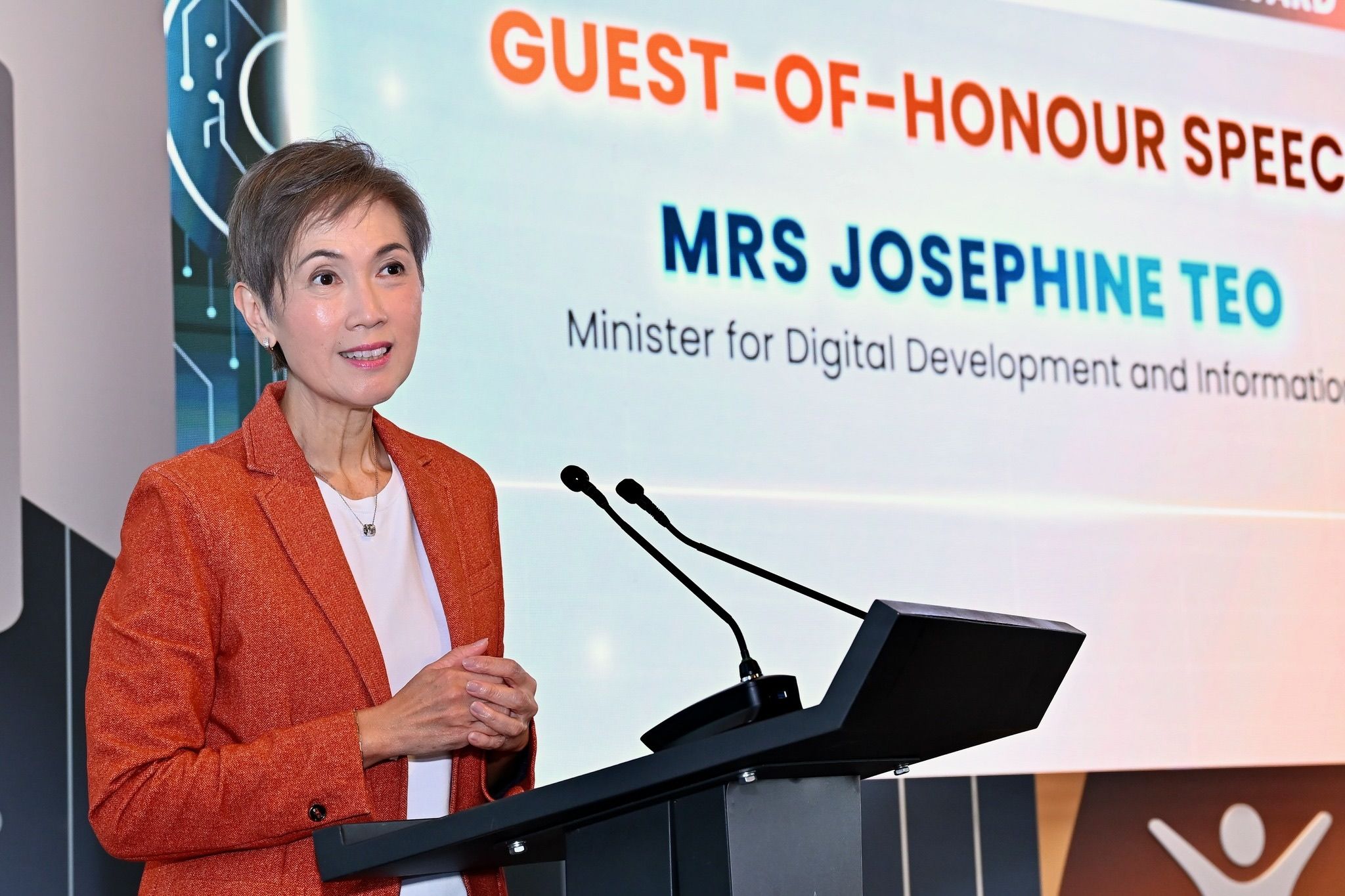
Speaking about the government’s AI strategy, Minister for Digital Development and Information Josephine Teo said the goal is to ensure businesses across the economy—not just tech giants—can tap into AI-driven growth.
When Prime Minister Lawrence announced the national budget for 2026, he said that AI was to be given national infrastructure priority, with a new AI Council to be set up with himself as chairman. The council will provide strategic direction on a countrywide level, ensuring that the government, industry, and research are working together.
The DLAB programme, a key part of the AI agenda, aims to train leaders from 2,000 companies over the next 3 years.
“Singapore’s vision ensures many companies benefit from AI, not just a few. Through initiatives like DLAB, National AI Missions, and Champions of AI, we’re building both breadth and depth in our AI ecosystem.
With Singapore among the world’s top AI adopters, DLAB ensures our business leaders stay ahead of the curve,” Ms Teo wrote in a LinkedIn post.
In her interview this week, she acknowledged the concerns that AI could affect jobs and salaries in Singapore, especially among the youngest cohort of workers who do not yet have a lot of workplace skills
The minister was asked by CNA if there are any “tripwires” that would cause the government to intervene in ensuring that jobs and salaries would not be affected too badly.
Ms Teo said that based on past studies, when people graduate into a market with a decreased labour demand, there could be long-lasting implications.
“There’s always the risk of some scarring, because in the most formative years, you didn’t get all the opportunities you could have had to build up your skill set,” she said, adding that it’s the government’s intention not to let this happen.
In the past, such as during the Covid-19 pandemic, the government helped trainees get a start with their careers, and employees were given support, Ms Teo said, though this is not called for at the moment, as the situation is still dynamic.
She also said that it will continue to monitor wage progression and employment rates in light of AI’s development.
The minister added that she understands that people want to be assured that they can continue to do work that is meaningful. The government, on its part, wants to ensure that it gives them good opportunities to advance, which includes salary levels. Therefore, it will be watching the broad indicators of watching whether the economy can create and sustain good jobs, and that workers can continue to make progress, Ms Teo said.
A national bet on AI
The push reflects a broader national strategy. In Budget 2026, Prime Minister Lawrence Wong positioned AI as a core national infrastructure, with plans to establish a new AI Council to coordinate efforts across government, industry, and research.
Singapore is already among the world’s top adopters of AI—but the next phase is less about adoption, and more about distribution.
Who benefits—and who gets left behind—may ultimately define whether this strategy succeeds./TISG
Read related: Pritam Singh: Ministers’ bonuses should be anchored on good jobs for Singaporeans in the age of AI
This article (“AI should benefit many, not just a few”: Josephine Teo addresses job fears as Singapore ramps up AI push) first appeared on The Independent Singapore News.