SINGAPORE: Singapore is moving to bolster its national blood supply amid projections of a shortfall within the next decade, with authorities set to introduce new incentives, including Healthpoints rewards, to attract and retain donors.
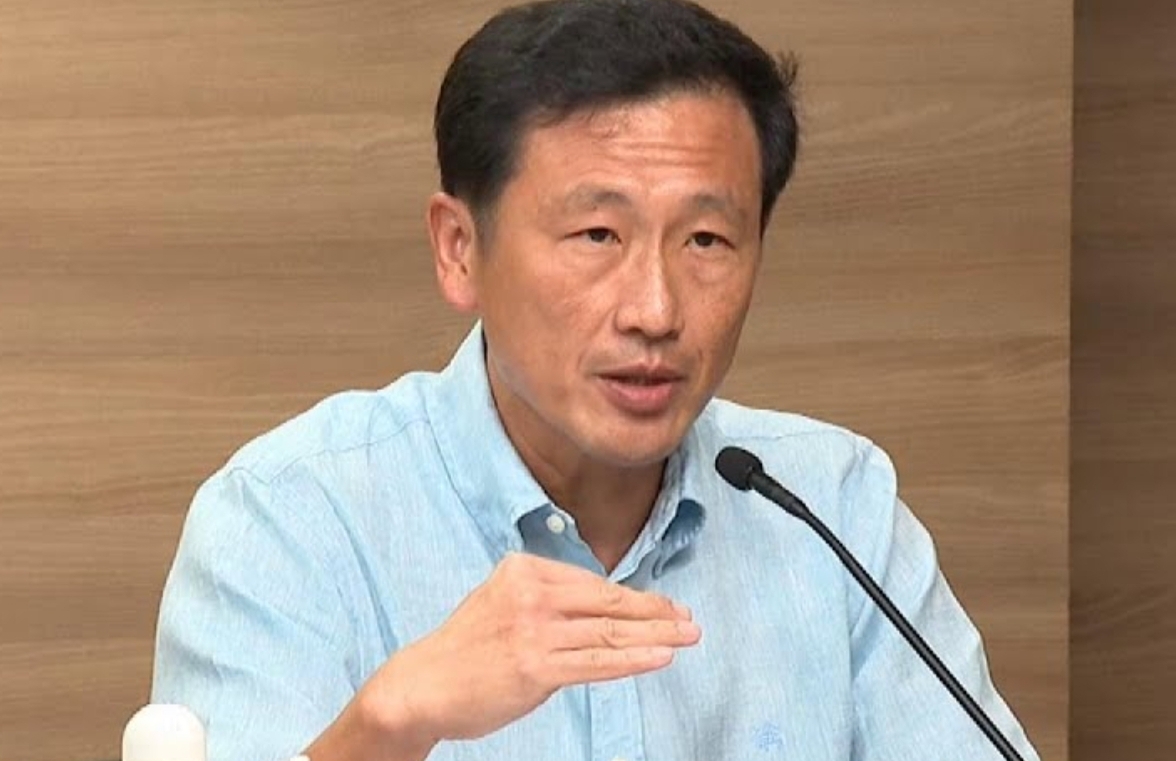
“Difficult times lie ahead. We need to start taking measures to address these challenges,” Health Minister Ong Ye Kung said this week, speaking at the launch of the 80 For 80 Blood Donation Marathon on April 15 to mark the 80th anniversary of the National Blood Programme.
“Today, we are still in a fairly okay position where the supply of blood donations is higher than demand, generally, over the course of the year,” he noted, “But the demand curve is pointing up, while the supply curve is pointing down. In seven years’ time, the two curves will cross, and that is when demand is projected to outstrip supply.”
The Health Sciences Authority (HSA) said these projections are based on existing population trends. Singapore currently collects about 130,000 units of blood each year, slightly above the estimated annual requirement of 120,000 units. However, demand is expected to rise by between 1 and 1.3 per cent annually over the next decade.
This increase is largely attributed to an ageing population and a higher incidence of cancer, both of which account for a significant portion of blood usage.
At the same time, the donor base is shrinking, particularly among younger Singaporeans. In 2025, donors aged 16 to 25 made up just 12 per cent of the total donor pool, or fewer than 9,600 individuals. This marks a steep decline from 2015, when the same age group comprised 28 per cent, or around 20,000 donors.
HSA and the Singapore Red Cross (SRC) said the drop is due to both a 15 per cent fall in the youth population over the past decade and lower participation rates among younger donors.
To address these challenges, HSA, SRC and the Health Promotion Board will begin awarding Healthpoints to blood donors from the second half of 2026 through the Healthy 365 mobile app. These points can be exchanged for e-vouchers for public transport, supermarkets and selected food outlets. They may also be used to offset MediShield Life premiums, with discounts of up to S$580 available.
The authorities are also introducing measures aimed at improving convenience and accessibility. From May, a new online tool will allow potential donors to check their eligibility instantly based on recent travel history, as well as find out when they can next donate and book appointments
In addition, the DonateBlood app will eventually be integrated with the HealthHub platform, enabling users to manage both healthcare and donation appointments in one place.
Eligibility criteria are also being reviewed to widen the donor pool. From 2026, the age limit for first-time donors will be raised to 65, a move that has already seen nearly 60 seniors come forward to donate blood for the first time.
While quite a few Singaporeans online have welcomed the new measures, some are questioning whether offering redemption points for something like blood donations cheapens the generosity of the act. Others asked whether Singapore society has become “too transactional”.
One forum letter writer, Ng Cheng Hoon, wrote in a letter published by the national broadsheet that “blood donation is not another activity to be gamified or incentivised. Instead, efforts should focus on education, awareness and fostering a culture of genuine giving.’
He argued, “While efforts to strengthen the blood supply are understandable, tying donations to rewards risks undermining a core principle – that blood donation should remain a voluntary and altruistic act.
“Introducing incentives, whether in the form of MediShield Life premium discounts, retail vouchers or donations to causes, may unintentionally shift motivations. Those who are financially constrained could feel pressured to donate for the sake of rewards, rather than out of goodwill. This raises concerns about whether such donations are truly voluntary.”
Some commenters elsewhere online felt that giving donors medical priority or even time off work would be better rewards than monetary incentives.
One Redditor said, “If people were given off days for blood donations, it would probably be more effective than cash incentives.”
Others said that being provided with information on how their blood was used to save lives could draw them to donate blood instead of being plied with redemption points. A commenter said, “Monetary value will just get gamed or devalued. If blood donations are tagged to a monetary value, then it gets viewed as such, a gift is received better when its dollar value is not at the forefront.
“It is also better that blood donations are given freely rather than seen as, ‘oh let’s get some pocket money’, psychologically it will be seen as, is it cost-effective?”
The commenter suggested, “Let’s say your blood gets used in a transfusion, There after the hospital sends you an email, letting you know that it was used in a procedure that saved a life. I think such gestures are good, because they focus on the altruistic side of things.”
Another commenter who regularly donates blood agreed, writing, “I can’t speak for all blood donors, but I literally want one just thing: send me a message or email when my blood has been used and the general category (surgery, accident, research etc)
“This is all I want for giving blood. In fact, I’ve even gone 2-3 blood donations on my birthday and didn’t get the birthday gift or even a birthday greeting, but I continue to drag myself to donate every 12 weeks or so.”
Others, however, felt the Healthpoints are just emblematic of the type of initiatives Singaporeans have become used to. One commenter said, “In a super transactional island, incentivising will work. Our society is already structured this way. So no choice.”
This article (Healthpoints for blood donations? We have become too transactional, say Singaporeans) first appeared on The Independent Singapore News.




