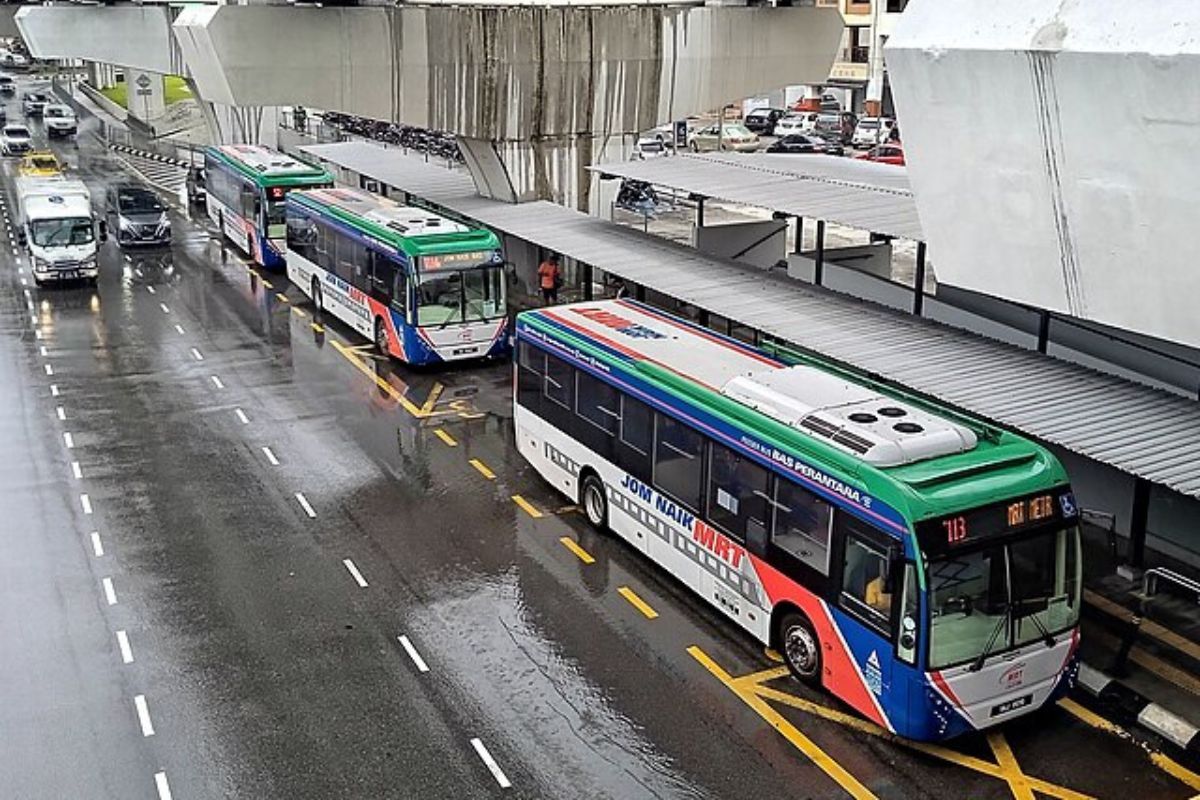
Rising diesel prices have significantly impacted bus operators in Malaysia, with some forced to cease operations. Although diesel costs have increased sharply, ticket prices remain regulated by the government and have not been revised since 2008, further squeezing operators’ margins and driving up operational costs.
While the government continues to provide diesel subsidies for public transport through the Subsidised Diesel Control System (SKDS), industry leaders and associations argue that the current mechanism and its limited coverage are threatening the long-term sustainability of many companies. The Executive Chairman of Konsortium E-Mutiara Berhad noted that the current diesel subsidy allocation of 6,000 litres per bus per month is insufficient to meet actual operational needs, with industry groups proposing an increase to between 8,000 and 10,000 litres per month to better reflect real operating conditions, as reported by Harakah Daily and Metro.
This concern is further supported by Pan Malaysian Bus Operators Association (PMBOA) president Datuk Ashfar Ali, who highlighted that even for operators eligible under SKDS such as express bus companies the “pay-first, refund-later” mechanism has created severe liquidity pressures, worsening cash flow challenges across the industry, as reported by The New Straits Times.
Adding to these pressures, The Malaysian Reserve reported that the tour bus industry is warning of a possible collapse within as little as two months if diesel prices remain elevated without urgent intervention. Fuel prices reaching around RM6 per litre have driven operating costs up by 30% to 80%, leaving many operators unable to absorb costs or pass them on to consumers due to weak demand and price sensitivity.
Although Malaysia implements SKDS to provide subsidised diesel for eligible transport operators, industry stakeholders argue that the system does not fully achieve its intended purpose. Access remains uneven, and approved operators are often constrained by fixed monthly quotas that do not reflect actual fuel consumption. This mismatch has led to claims that current support is insufficient, placing continued financial strain on operators despite the subsidy framework.
Without timely policy adjustments such as higher subsidy allocations, broader eligibility coverage, or improved reimbursement mechanisms industry stakeholders warn that Malaysia’s bus and tour transport sector could face widespread shutdowns, potentially disrupting public transport services and the tourism industry nationwide.
This article (Running on empty: Malaysia’s bus industry warns of collapse as 2008 fare caps clash with RM6 diesel) first appeared on The Independent Singapore News.




