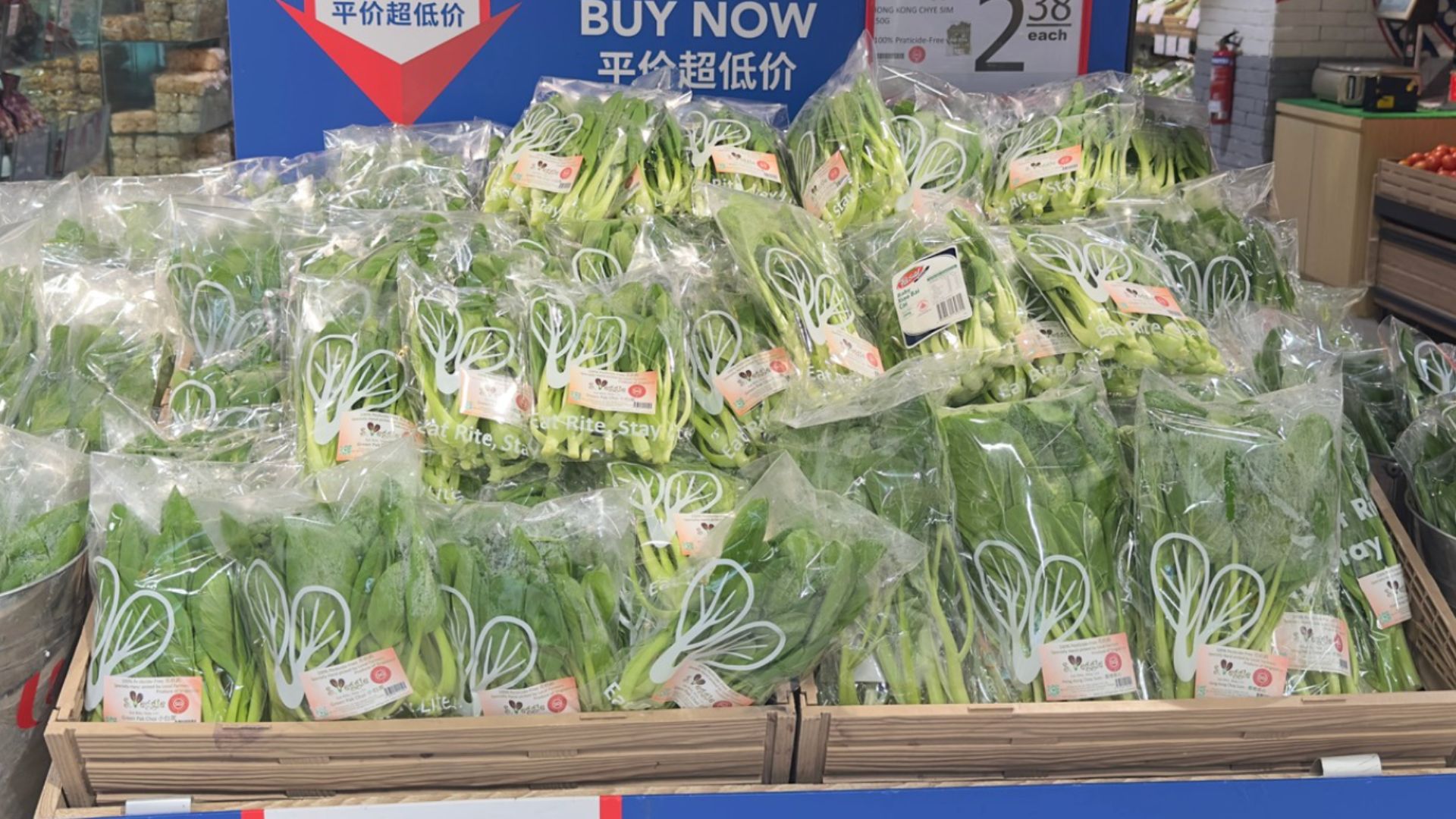
SINGAPORE: The escalating situation in the Middle East has driven up the costs for fertiliser, fuel, and transportation, highly affecting profit at local farms. Experts declared that if the conflicts continue for another six months, some of the expenses may be passed to the customers, resulting in product prices increasing as much as 20%.
As reported by Shin Min Daily News, a spokesperson for Vegeponics Farm shared in an interview that the continued rise of prices for fertiliser is a challenge to them, admitting that their current stocks are only enough to sustain their operations for the next six months. However, if the war continues until May, they will have to buy the next batch of fertilisers at a higher price.
The farm company also shared that delivery costs of third-party providers have increased by about 10% to 15% per trip, causing farm profits to decline by 10% since the war.
On the other hand, another farm also revealed that even though they are indoors and rely less on fertilisers, the potential rise of electricity in the future might affect their operations. The founders of GreenLoop indoor farms admitted: “Indoor farms are more dependent on electricity, and if electricity prices continue to rise, it will also have an impact.”
One more farm, SG Veg Farms in Sembawang, has been struggling to operate and is currently only close to breaking even. This first semi-automated hydroponic farm is set up on the roof of an HDB block, and its founders shared that they can only purchase about two to three months’ worth of inventory due to limited storage. They admitted that for every dollar of vegetables sold, their actual profit is only about 30 cents, and their scale and variety cannot match the imported products, given that raising prices is not easy.
To somehow address this concern, farms are cutting costs by narrowing their product ranges and raising minimum order quantities.
Vegeponics noted that on their farm they trimmed down their cultivated 12 vegetable varieties to only seven. They discontinued producing several crops, resulting in their overall output declining by 15%. GreenLoop tries to stabilise its procurement costs by diversifying its suppliers, actively negotiating prices, and strengthening partnerships. As for SG Veg Farms, they are trying to save energy costs by maximising methods such as sunlight cultivation and nutrient recycling.
In recent reports, PM Lawrence Wong addressed the situation in the Middle East and ensured that the government is taking appropriate measures to help the people. He claimed: “Given the spike in oil prices and the uncertain outlook, the Government will do more. We will enhance existing measures and bring some of them forward to provide earlier relief. We will also provide targeted support for sectors that are more severely affected.
“We must stand together. In times like these, our strength lies in our unity. Government support matters. But so does the resolve of our people – to look out for one another, to act responsibly, and to pull together as one society,” the Prime Minister added.
Read more about the Prime Minister’s message here.
This article (Singapore farm profits face ongoing pressure from rising local vegetable and animal feed prices) first appeared on The Independent Singapore News.




