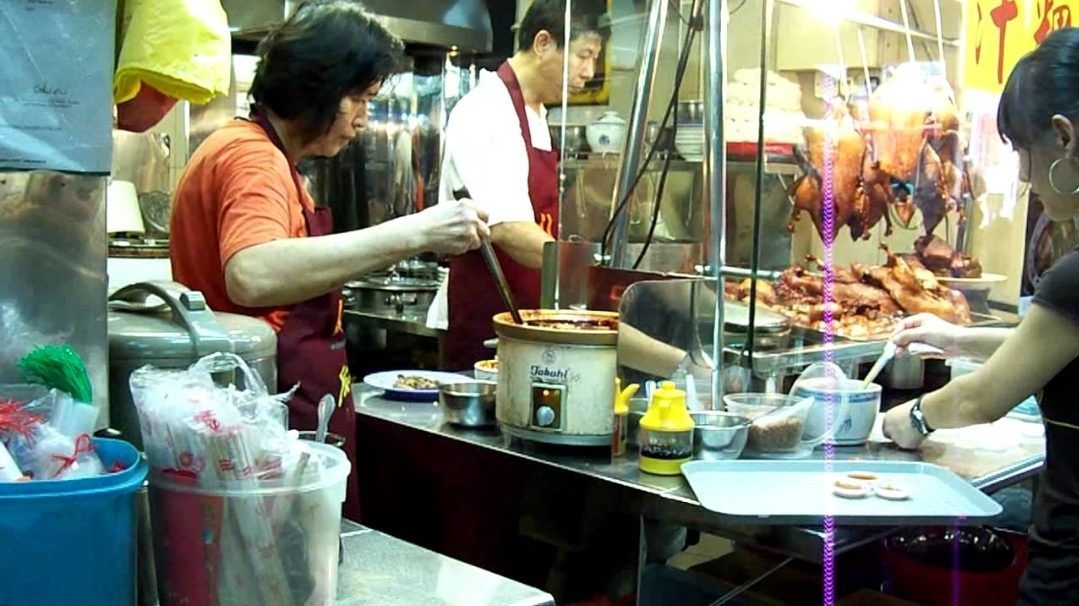
SINGAPORE: On Wednesday (April 29), a piece titled “The Preservation Paradox: Singapore’s Hawker Centres as a Case Study in Cultural Food Policy” was published on the New York City Food Policy Centre’s website. It was written by chef, food writer, and researcher Jenny Dorsey, who has just completed her Fulbright-National Geographic Fellowship in Singapore, about food policy in the context of hawker centres
Ms Dorsey begins her piece by writing, “I first visited Singapore in 2015 and immediately fell in love with its hawker centres. I’d never seen anything quite like them. Unlike the shopping mall food courts I’d grown up with in the U.S., filled with chains like Auntie Anne’s, hawker centres are typically made up of independently owned, often family-run, stalls offering prepared foods from noodles and flatbreads to chewy pancakes and fresh soy milk.”
Aside from the hawker food, what struck her was “the clear level of state investment, oversight, and sustained attention to this style of public dining,” which she had never seen elsewhere across the globe.
The author then spent two years doing fieldwork in Singapore, including interviews with 22 hawkers across the city-state, supported by a National University of Singapore fellowship.
After delving into the long history of the government intervening in the hawker industry, one pertinent question remained: “If hawker centres were built to both feed and offer a means of livelihood for Singapore’s working class, whose interests do today’s preservation policies actually serve?”
Ms Dorsey wrote that while Singapore’s hawker culture is celebrated to the point of being inscribed as Singapore’s first element on the UNESCO Representative List of the Intangible Cultural Heritage of Humanity in 2020, it may be unsustainable, due to policies prioritising the preservation of image above sustaining the people and economics that make them work, what she describes as form over function.
She argued that the hawker culture may not be preserved if the hawker profession itself becomes no longer viable. While policies maintain low prices and expand infrastructure, in Ms Dorsey’s opinion, they do not help hawkers earn a living, and would-be newbies to the profession are disinclined to throw their lot in.
Hawkers face the challenges of ever-increasing rental rates and ingredient prices, as well as other fees. Independent stall owners also have to contend with competition from chains, and the endeavours to standardise and modernise hawker centres risk taking away the uniqueness and craftsmanship that are key to hawker culture. Importantly, Ms Dorsey wrote that policy decisions would be improved if there were actual input from hawkers.
In short, to truly preserve hawker culture, she argued that a shift toward clear priorities, better economic support, fairer rental systems, and genuine involvement of hawkers in policymaking is needed. /TISG
Read also: ‘No longer as cheap?’ Singapore hawker prices jump 6.1%—biggest rise in 15 years
This article (US scholar who studied hawkers for 2 years says economic support, fairer rental systems, & involving hawkers in policymaking are needed) first appeared on The Independent Singapore News.




